Sundarbans Cyclone
Sundarbans, West Bengal
Sundarbans, West Bengal: When Every Recovery Is Interrupted by the Next Disaster
For families living in the Sundarbans, recovery is rarely a straight path. Cyclones, tidal flooding, embankment damage, waterlogging and livelihood losses can return before families have had enough time to fully rebuild. What begins as one disaster can become a cycle of rebuilding, recovering and preparing for the next.
The region has faced repeated major disasters in recent years. Cyclone Bulbul in 2019, Super Cyclone Amphan in 2020, Cyclone Remal in 2024 and Cyclone Dana later that same year repeatedly exposed coastal communities to extreme winds, heavy rainfall, storm surge and flooding. Amphan struck with winds of 155–165 kmph, gusting up to 185 kmph, while more than 8 lakh people were evacuated across West Bengal.
In May 2024, Cyclone Remal again affected coastal West Bengal. Only five months later, Cyclone Dana brought another major preparedness and response operation. Although Dana made landfall over neighbouring Odisha, its impacts extended into West Bengal. The state evacuated approximately 3.13 lakh people, opened around 1,374 relief camps and 1,039 community kitchens, and distributed about 68,000 tarpaulins. IMD recorded significant rainfall in South 24 Parganas, including 8 cm at Canning, while one death in West Bengal was reported due to electrocution.
But recovery does not end when a cyclone passes. The Sundarbans remain exposed to tidal flooding, river erosion, embankment failure, waterlogging and extreme rainfall. West Bengal identifies 38,168 sq km of the state as flood-prone, covering 198 blocks, while continued investment is needed to repair and strengthen vulnerable embankments and protect low-lying communities.
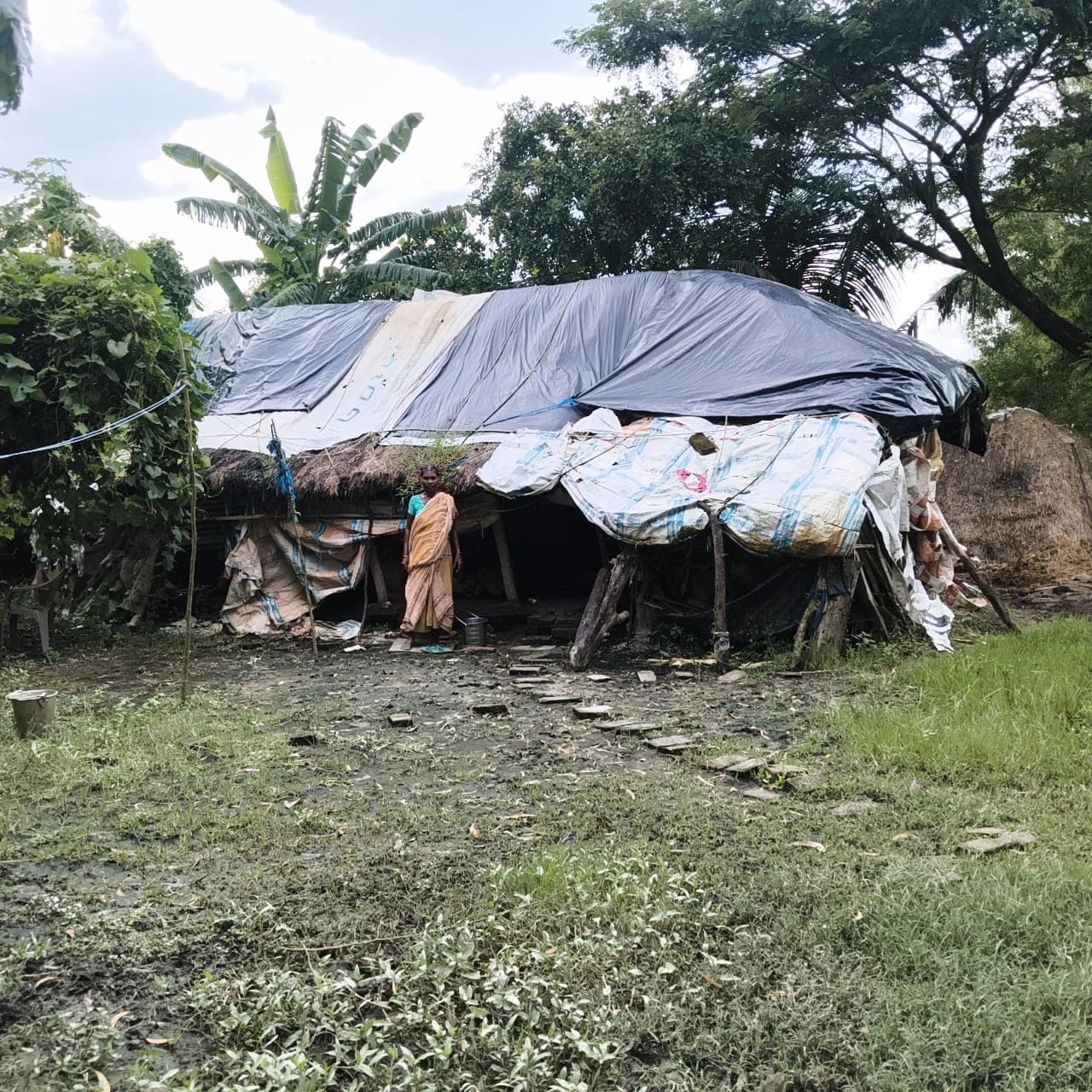
For a family in the Sundarbans, another cyclone or flood can mean repairing a roof they had only recently rebuilt, losing crops and livestock, replacing fishing equipment or other productive assets, or dealing with saline and floodwater that affects ponds and drinking-water sources. Damaged toilets, roads, electricity and embankments can continue to affect everyday life long after the immediate emergency has passed. For families dependent on agriculture, fishing, wage labour and other climate-sensitive livelihoods, each disaster can also interrupt their ability to earn and rebuild.
The experience of Bulbul, Amphan, Remal and Dana shows how quickly one shock can follow another. Families may repair their homes, replace essential assets and begin restoring their livelihoods, only to face another period of extreme weather before recovery is complete.
The challenge, therefore, is not only to respond after the next cyclone or flood. It is to support families through recovery and help them rebuild in ways that are safer and better prepared for what comes next. Safer shelter, access to drinking water and sanitation, livelihood recovery, replacement of essential assets and Build Back Safer measures can help families move beyond repeated emergency response and towards a more secure future.