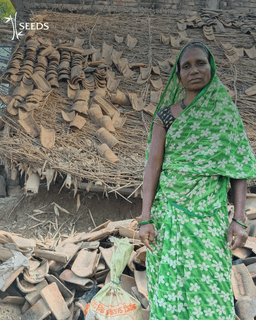
Chitrakoot Flood Recovery
Chitrakoot region, Madhya Pradesh and Uttar Pradesh
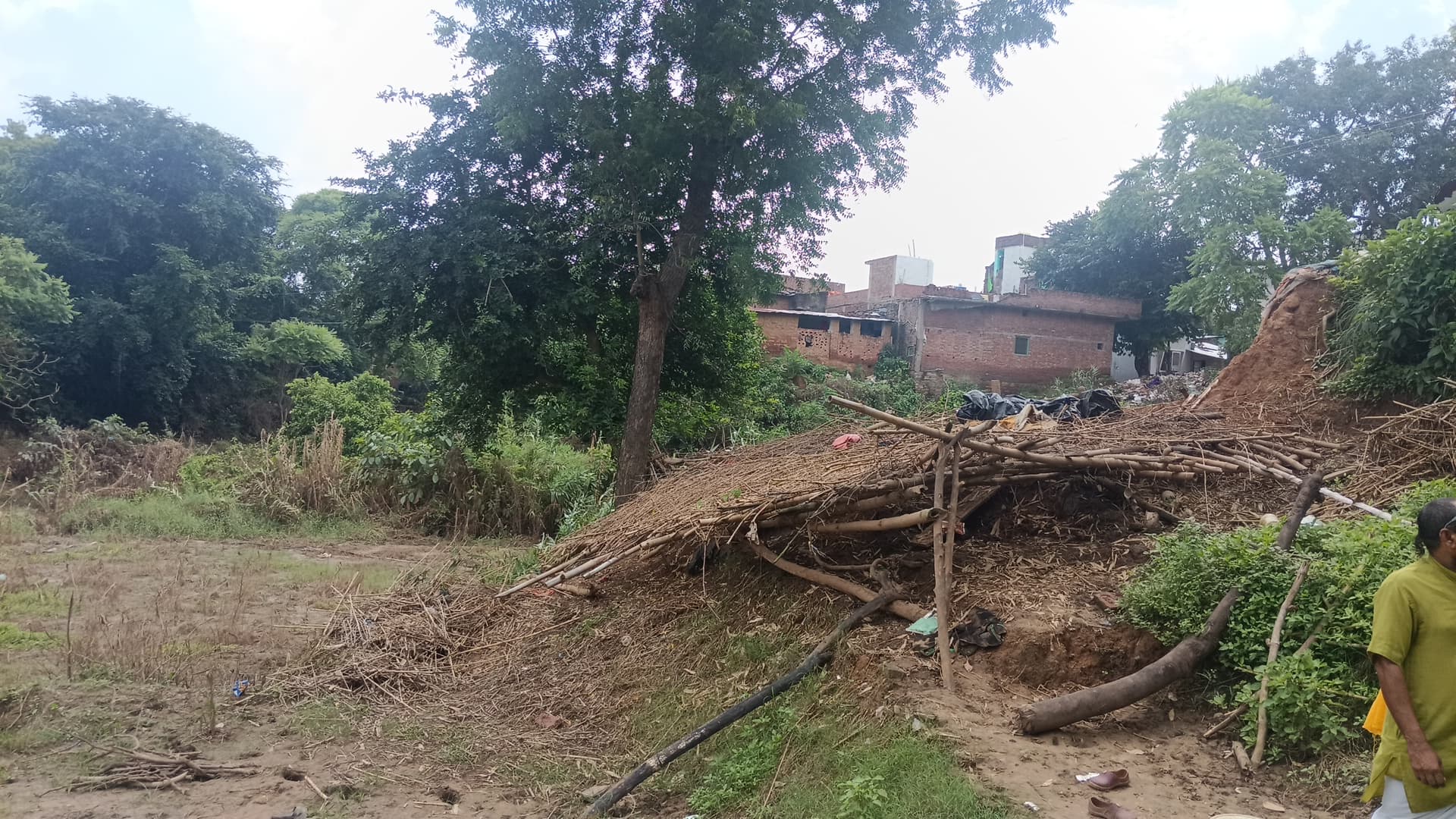
Between 29 and 31 August 2026, extreme rainfall triggered devastating flash floods across the Chitrakoot region, affecting communities on both sides of the Madhya Pradesh–Uttar Pradesh border. The Mandakini River reached unprecedented levels, inundating homes, shops, roads and community infrastructure. The disaster disrupted daily life, damaged essential assets and left families facing significant challenges in meeting their basic needs and rebuilding their livelihoods.
According to rainfall data compiled by the South Asia Network on Dams, Rivers and People (SANDRP), Chitrakoot recorded 209.5 mm of rainfall between 26 August and 1 September 2026, against a normal of 48 mm for the period. The Mandakini reached a reported level of 145.60 metres at the Central Water Commission's Chitrakoot monitoring station on 29 August, exceeding the previous reported high flood level at that station by 2.95 metres.
The flooding caused extensive damage to residential and commercial areas. Homes were submerged, with water reportedly reaching depths of up to 10 feet inside some houses. Families lost clothing, bedding, cooking utensils, stored food grains and other essential belongings. Livestock, shop inventory and livelihood assets were also affected, threatening household food security and income. Mud and debris covered roads and residential areas, while damage to the Ramghat–Hanuman Dhara bridge disrupted connectivity. Electricity supplies were interrupted, with restoration continuing in affected areas in the days following the floods.
The impact extended across both states. In Uttar Pradesh, district-level reporting on 13 September 2026 recorded 15,207 people affected across 39 villages. The administration reported 688 people rescued and financial assistance provided in 1,884 cases of housing damage.
From Emergency Relief to Recovery
As floodwaters recede, affected families face the difficult task of restoring their homes and resuming everyday life. Households need essential items to replace belongings lost in the floods, including clothing, bedding, cooking utensils and household storage materials. Families whose homes have sustained damage may require shelter materials, cleaning supplies and assistance with repairs to make their living spaces safe and habitable.
Flooding also creates risks to drinking-water safety, sanitation and hygiene. Safe drinking water, water-storage containers, purification supplies and hygiene products are essential for families returning to affected areas. Meanwhile, households that have lost livestock, agricultural assets, stored produce or shop inventory may need livelihood recovery assistance to restore income and regain financial stability.
Recovery needs differ between households according to the extent of damage, assets lost and resources available to them. Vulnerable families may face additional barriers in accessing assistance and rebuilding their lives.